
Constant monitoring makes it possible to detect in real time whether a patient is experiencing a change in heart rhythm, so it can be treated as quickly as possible.
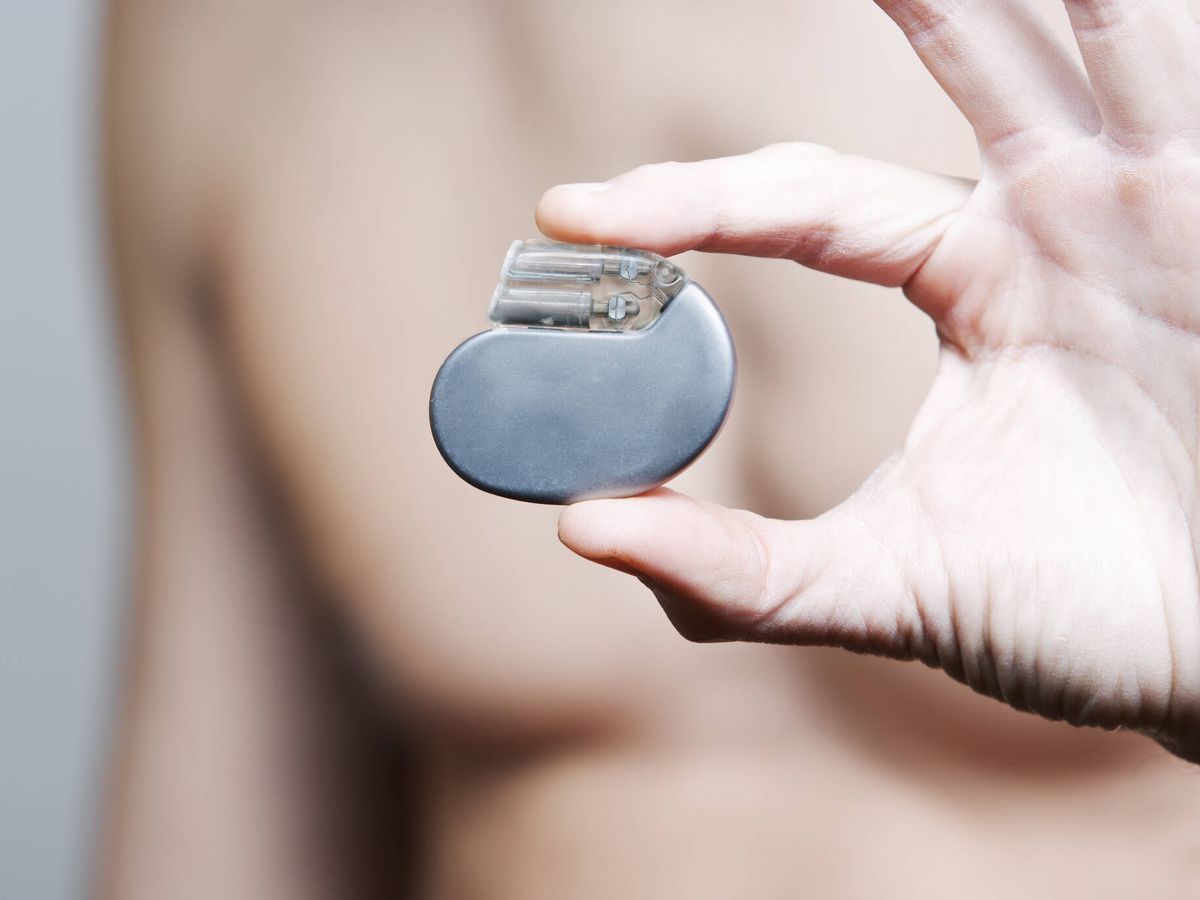
Bellvitge University Hospital (HUB) monitors around 1,100 patients who have an implanted device to treat arrhythmias and bradycardia on a daily basis. It does so through a remote monitoring application that records all of their cardiac activity without requiring a hospital visit. The Arrhythmia Unit team receives real-time alerts, both for possible device malfunctions and for heart rhythm incidents. These alerts can prompt clinical action and help anticipate emerging conditions, thanks to the Ritmocore telemedicine project (http://www.ritmocore-ppi.eu/).
In fact, most of the alerts detected relate to atrial fibrillation. This heart rhythm disorder does not always cause symptoms — in a third of patients, atrial fibrillation is actually asymptomatic. It can also increase the rate of blood clots, which can lead to strokes.
“Being able to detect a problem with atrial fibrillation early on—since it can have serious consequences for the patient—allows us to activate the most appropriate treatment protocol as quickly as possible, using anticoagulants to help prevent a possible stroke,” said Dr. Jordi Mercé Klein, cardiologist at HUB’s Arrhythmia Unit and co-lead of the Ritmocore innovation project.
Since 2021, when the Ritmocore innovation project—in which Madrija takes part—began, the heart data of HUB patients has been monitored through a digital platform. Any abnormality in heart rhythm detected by the device implanted in the patient is immediately relayed as an alert to HUB’s medical team and specialized arrhythmia nurses.
The alerts and data emitted by pacemakers are valuable information. Thanks to them, clinical decisions can be made both at the hospital and at the ICS’s Southern Metropolitan Primary Care Center that follows the patient. “Remote monitoring avoids unnecessary trips to the hospital. Thanks to the device’s data, the medical team can prescribe the start of, or a change in, medication, schedule the patient for a visit, or assess the need for pacemaker reprogramming or even a repeat procedure,” according to Dr. Mercé Klein.
Through a mobile app that will be operational before the end of the year, patients or their caregivers will have information about their pacemaker and medical follow-up. This empowers patients, giving them greater control over their health status.
In fact, one of Ritmocore’s core pillars is the patient experience, education, and self-responsibility in understanding and managing the main guidelines of the condition. HUB’s Citizen Care and Participation Unit, together with the Cardiology Department’s Electrophysiology and Arrhythmia Unit, worked together with fellow patients to identify their needs.
One of the EU’s leading public innovation procurement projects
Ritmocore’s main goal is to transform the care pathway for patients with bradycardia who have been implanted with a pacemaker, most of whom are over 70 years old. The steadily growing demand—largely due to an aging population—combined with budgets that struggle to keep pace, has two main consequences: on one hand, there is a need to purchase more devices, and on the other, the growing workload for doctors is becoming unsustainable.
Ritmocore’s model addresses both problems: how to purchase more devices and how to make the best use of doctors’ time, while improving the quality of care and helping preserve the long-term sustainability of the healthcare system. All of this is made possible through a new procurement process that also enables digital transformation.
